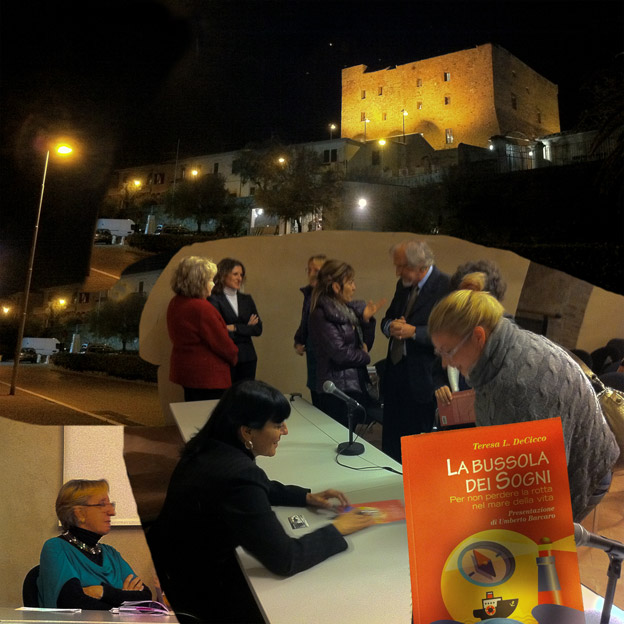
It has been recognized in scientific writings that dream interpretation can be extremely valuable. Anyone who uses, teaches or practices dream interpretation will certainly know this by the life-changing insights that occur with dream work. Unfortunately, it is still the case that most practitioners do not know how to actually do dream work or dream therapy, they don't know where to get this training, and even when clients/patients ask for dream work they are reluctant to work with dreams. Even the terminology is confusing-dream work, dream interpretation, dream therapy, what does it all mean? Though they all mean the same thing and lead to the same valuable goal, the field is still not well versed.
Over the past 4 years I have worked diligently on designing a dream interpretation tools that could be used in therapy, or, for self-guided dream work. I started with groups of patients and worked on a dream interpretation tool, tested it, re-tested it, tested it again, tested it against control groups, tested it again, until I could predict the tool led to discovery. My hope was that I would have a tool that clinicians who were not specifically trained in dream interpretation could begin using it in practice. Anyone who wanted to simply pick it up and use it, with little training, could do so and find discovery.
The result has been that this tool which I call The Storytelling Method of Dream Interpretation (DeCicco, 2006; 2007) could be easily used, shared in groups, easily taught and, used between therapy sessions by clients/patients. It was the beginning of building the knowledge of dream work for people who were novice. Clinicians began using it because clients had early success and it was easy to use and to teach. Researchers began using it because it provided an empirical protocol for dream work and people in general began using it because it helped them tap into the mystery of dreaming quickly and easily.
I am hoping that the method is helping to close the gap between wanting to add dream work into a practice and not knowing where to begin. The method also allows for safety and privacy while leading to discovery (80% of the time!). The Storytelling Method connects dream imagery directly to waking day issues. Of course dreams are very complex and therefore, more than one interpretation is needed to tap into the emotions, hopes, desires, longings and other mysteries that dreams represent.
Once The Storytelling Method was in place, well-tested and working well, I began the second method of dream interpretation which would tap directly into the emotions that were generating a dream: The 2A Method, which I will discuss in my next blog...Putting Dream Work Into Practice: Step II
Showing posts with label therapy. Show all posts
Showing posts with label therapy. Show all posts
Friday, March 13, 2009


Subscribe to:
Posts (Atom)